Why I Always Eat a Maekbanseok Egg at the Jjimjilbang
Maekbanseok eggs and sikhye — two things I always associate with a Korean jjimjilbang.
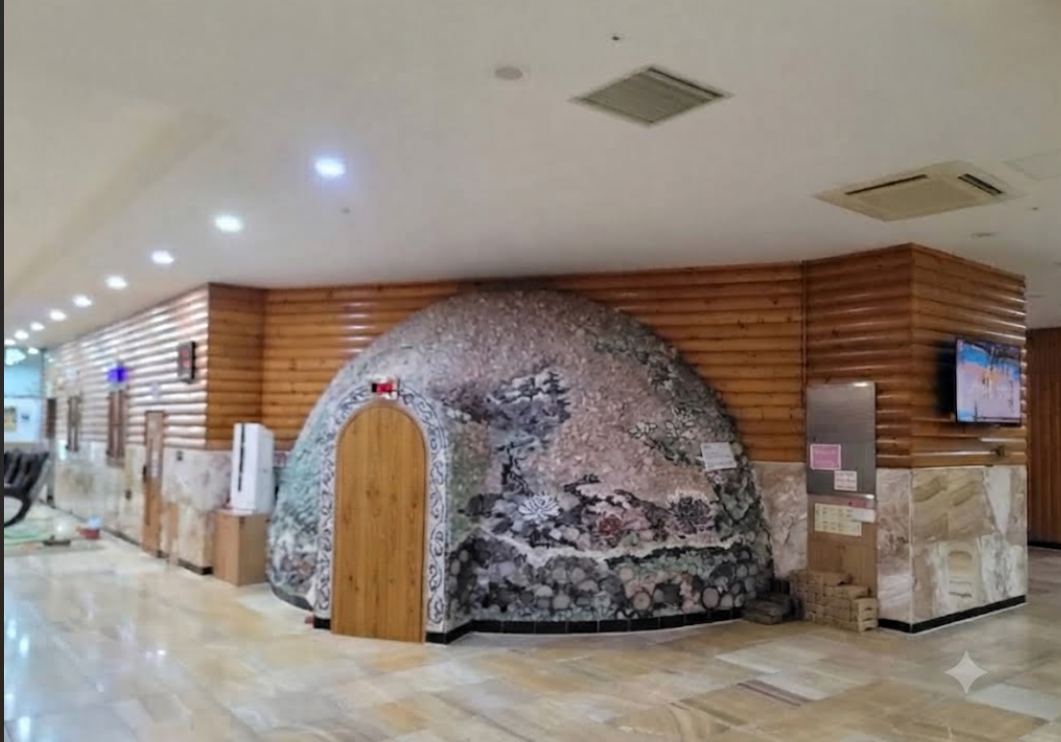
My body felt stiff today, so I went to a jjimjilbang.
There are jjimjilbang everywhere in Korea, honestly — you don't have to look hard to find one even in a small neighborhood, and the bigger ones come with a full bathhouse, several sauna rooms at different temperatures, a lounge area, even a small restaurant. You can genuinely spend hours there. For foreigners this whole concept can feel a little unfamiliar at first. The easiest way to describe it is a Korean-style sauna, but that undersells it — it's not just a place you wash up and leave. You soak in hot baths, sweat it out in a few different heated rooms, change into the sauna uniform, then just lie around watching TV or talking with whoever you came with. So for Koreans, a jjimjilbang is both a bathhouse and a place to actually hang out.
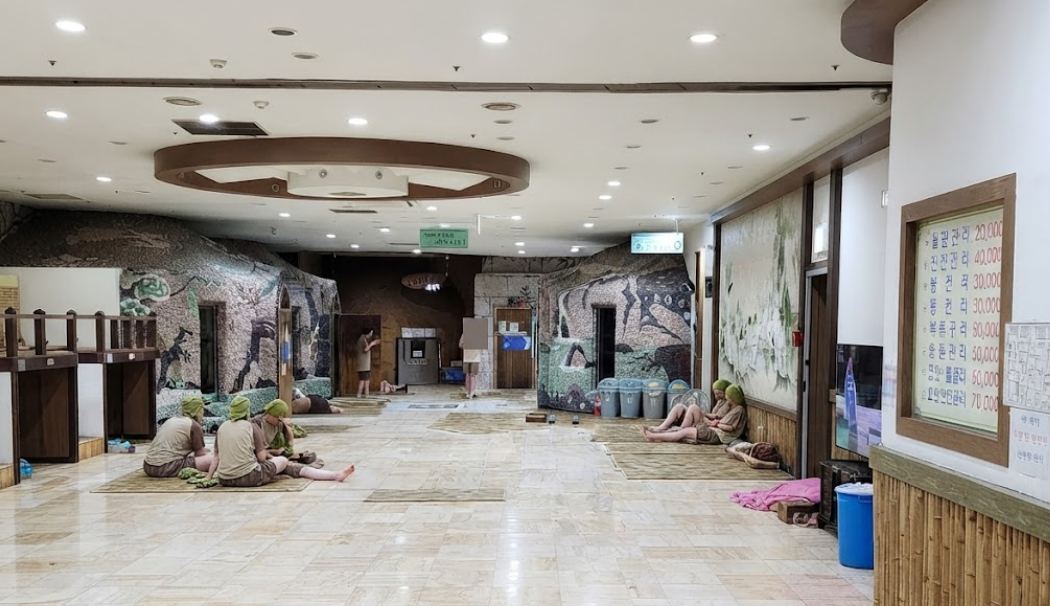
I didn't go today for any specific reason. Just felt stiff, wanted to sit in hot water for a while and sweat some of it out. In, out, rest, back in — and somewhere in that cycle, I always end up hungry. No idea if it's from the sweating or just from sitting around with nothing to do, but it happens every time.
The Egg You'll Find at Korean Jjimjilbangs
And jjimjilbang have their own food — the kind you only really crave in that specific place. Ramyeon, sikhye, little snacks, ice cream. But there's one thing I end up eating almost every time: maekbanseok egg, the Korean sauna-baked egg.
I get that this might sound strange if you didn't grow up with it. "Why would you eat an egg at a sauna?" But in Korea it's a completely normal sight — walk toward the counter or the snack area of any jjimjilbang and you'll spot a basket or a few packs of them sitting right there, and people just crack one open between sauna rounds.
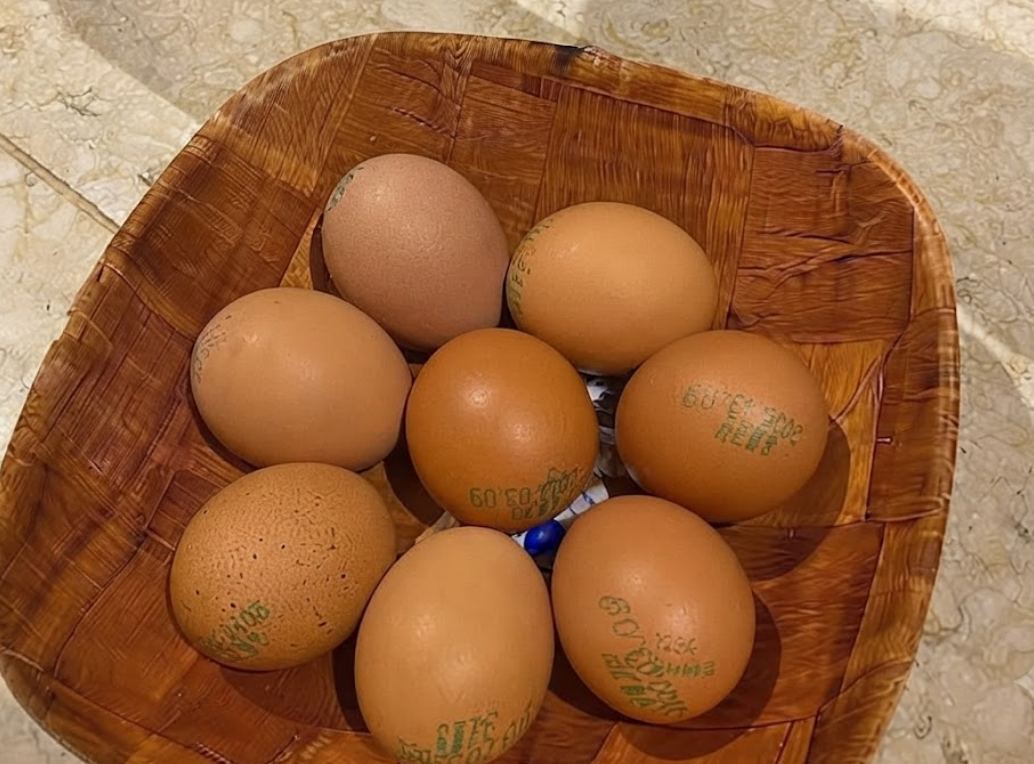
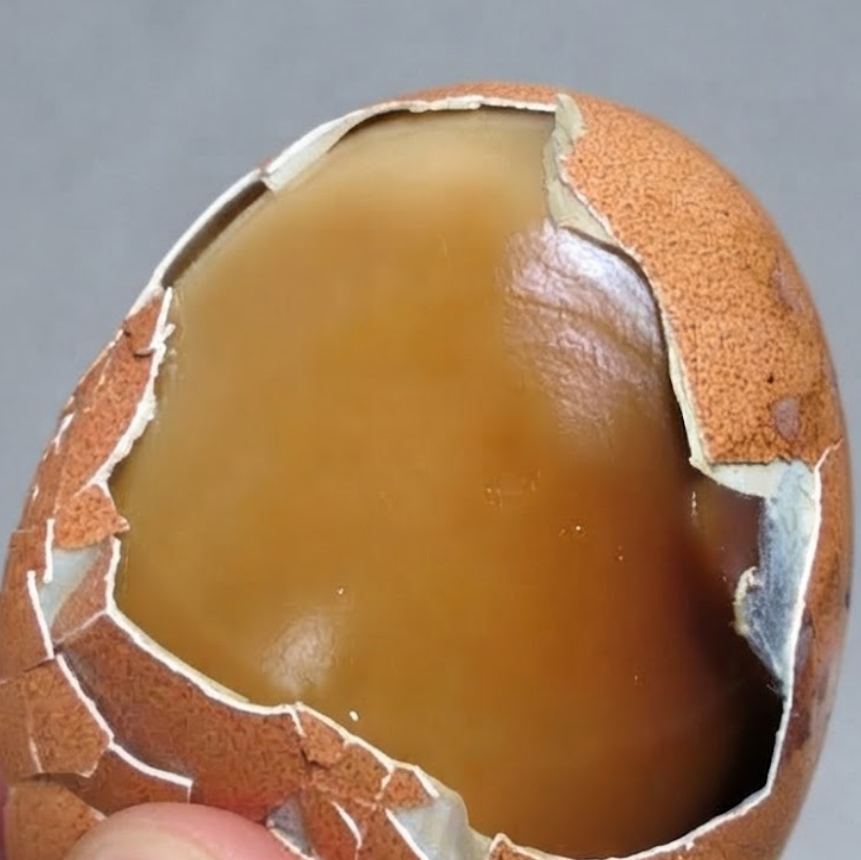
They don't even look like a regular boiled egg. Crack the shell and the white underneath has a brownish tint, with a nuttier, deeper smell and taste than a normal hard-boiled egg. On its own it's not a special food. But somehow, in a jjimjilbang, it just works — you sweat for a while, step out, grab a cold sikhye or some other drink, and peel one of these open.
There's no big reason behind it, if I'm honest. Maekbanseok eggs are just easy to eat, don't smell too strong, need zero prep. Good for when you're a little hungry mid-sauna, and easy to split if you came with friends — buy a few, everyone gets one. Groups sitting around after a sauna round, cracking eggs open one by one — that's not an unusual scene here at all. If you grew up going to jjimjilbang with your parents, you probably already have memories like this. I still reach for the eggs pretty much on autopilot every time I walk in.
The Combo: Maekbanseok Egg and Sikhye
And personally, there's a pairing I never skip: maekbanseok egg with sikhye. Sikhye is a sweet Korean rice punch, usually served cold, with soft grains of rice floating in it. After a long sweat in a hot sauna room, a cold sikhye hits differently — and paired with one of these eggs, the plain, nutty egg and the sweet, cold drink somehow balance each other out better than you'd expect.
None of This Food Is Actually Special
Thinking about it, none of the food at a jjimjilbang is anything special on its own. Eggs, sikhye, ramyeon, ice cream — stuff you can get anywhere, anytime. But somehow the place changes how it feels. An egg you eat sitting on the floor in a sauna uniform, still warm from sweating, just hits differently than the same egg at home. That's probably why this food sticks in people's memory the way it does.
Today was the same as always — sweated for a while, came out, cracked open a maekbanseok egg, drank a bottle of sikhye. Felt pretty refreshed afterward. And somehow, by the time I was heading home, I was hungry again.
Sweat it out, eat an egg, drink some sikhye, end up hungry again anyway. For me, that's a pretty normal afternoon in Korea.